Trim & Finish Carpentry
Trim is the part of a room nobody compliments and everybody notices. A gap at a mitre, a run of baseboard that dips where the floor does, casing that does not quite meet the jamb — all of it reads as sloppy even to people who could not name what they are looking at.
Licensed & insured Owner-operated Pensacola, FL
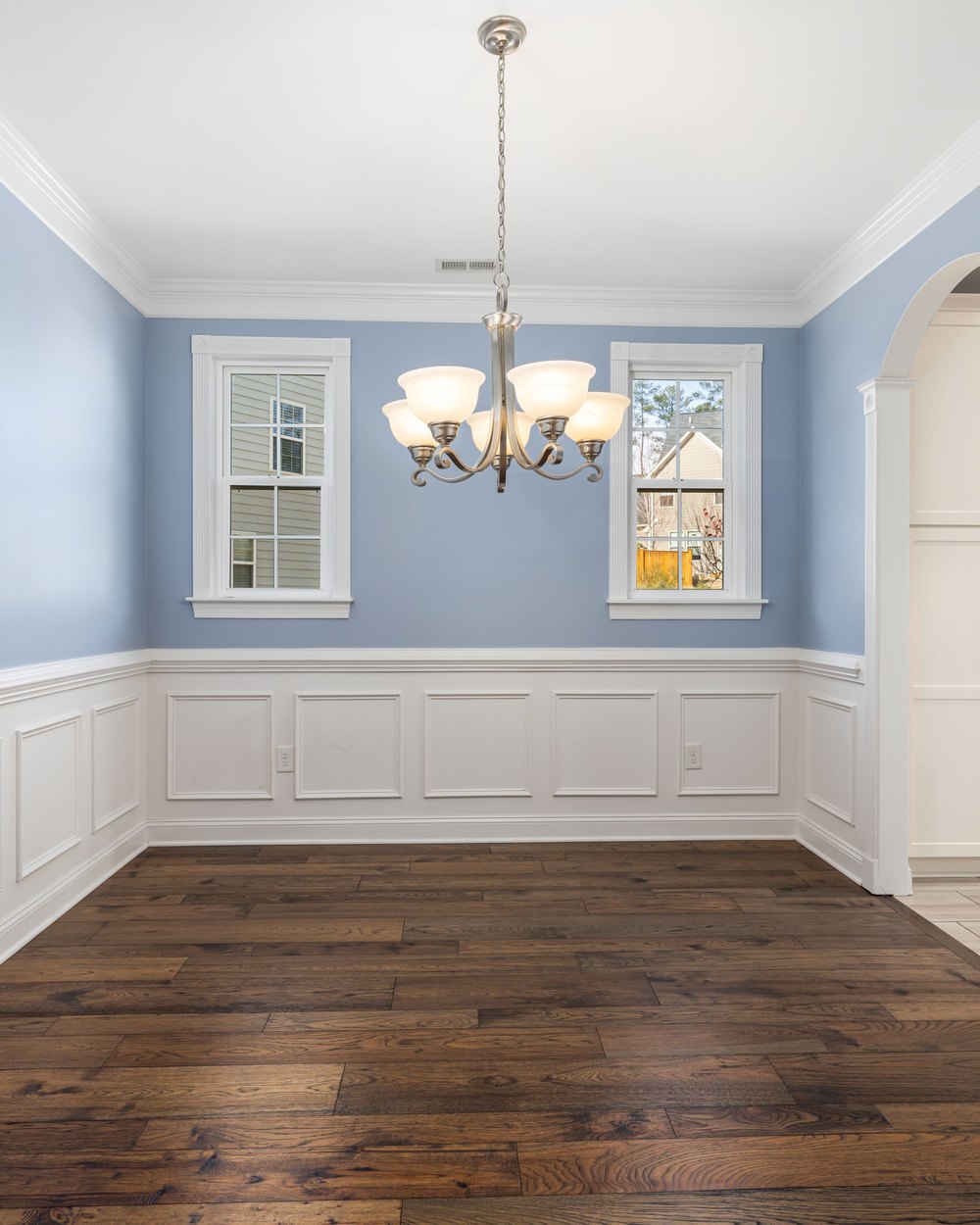
Illustrative stock photo representing this type of service — not a completed Fortified Asset Solutions job.
What a good one looks like.
Mitres that stay closed
A joint that looks perfect on install day and opens by spring was cut tight and fastened wrong. Glue at the mitre, fasteners into framing rather than into air, and an allowance for the fact that wood moves — that is what keeps a corner shut through a Gulf Coast summer.
Trim that follows the house you actually have
Floors are not flat and walls are not plumb, especially in older Pensacola houses that have settled. Scribing to the surface instead of forcing a straight stick against a curved wall is slower and it is the whole job.
It is the cheapest way to make a room look finished
Replacing tired baseboard, adding casing, or running a picture rail changes the read of a room for a fraction of what paint plus furniture costs. It is the highest-return small carpentry there is.
Start to finish, no mystery.
Most people have never watched this kind of work happen. Here's the whole sequence so nothing about the visit is a surprise.
Measure, and count the profile
What is there now, what you want, and whether the new profile has to die into existing runs elsewhere in the house. Matching an existing profile is normally the constraint that decides the whole job.
Cut, scribe, dry-fit
Long runs first, coped inside corners rather than mitred where the wall is out of square, and everything dry-fit before a single nail goes in.
Fasten into framing
Nailed into studs and plates, not into drywall alone. Glue at mitres and scarf joints on long runs.
Fill, caulk, sand, and hand it back clean
Nail holes filled, the top edge caulked to the wall, everything sanded ready for paint, and if you want it painted, that is the same visit rather than a second contractor.
You’ll get a text when I’m on my way. No four-hour window, no wondering whether today is the day — and it’s me sending it, not a dispatcher.
The honest caveats.
Paint-grade and stain-grade are different jobs
Paint-grade lets me fill and caulk a small discrepancy. Stain-grade shows every joint forever, takes longer, costs more in material, and needs the wood selected rather than pulled off the top of the pile. Say which you want up front.
MDF versus wood on the Gulf Coast
MDF cuts clean, paints beautifully and is cheaper, and it swells permanently if it ever gets wet. It is fine on interior walls, and it is the wrong call for a bathroom, a laundry, or a garage that floods in a hurricane year.
Crown is the one that costs
Crown molding is priced by corner, not by foot. A simple rectangular room is straightforward; a room with a bay, a soffit or a vaulted transition is several hours of angles. That is worth knowing before you compare quotes.
Where my line is
Interior trim, small built-ins, shelving, mantels and closet systems are mine. Structural framing, stair rebuilds, and full custom cabinetry are a finish carpenter or cabinet shop's work, and I will say so instead of learning on your house.
Straight version.
Finish carpentry is judged entirely on the last ten percent: the caulk line, the filled nail hole, the corner that stays shut. I would rather cope a corner and lose the twenty minutes than mitre it and let you find the gap in April.
Licensed and insured, owner-operated, based in Pensacola. Free estimates, and the price gets confirmed before any work starts.